Unlimited Number Line
Ordering/ Sequencing up to 1000
Ordering/ Sequencing up to 1000

Versatile number line that can be set for any number range. Ten catcher, covered numbers, just about anything can be done with this number line tool
Grades (K-3)
Ordering/ Sequencing up to 1000
Ordering/ Sequencing up to 1000
Ordering/ Sequencing up to 1000
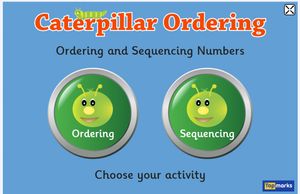
Order and sequence numbers from 5 up to 1,000. This activity has a wide range of numbers and can be done both forwards and backwards..
Grades (K-3)
Number Line Battleship
Ordering/ Sequencing up to 1000
Range Arranger up to 1,000
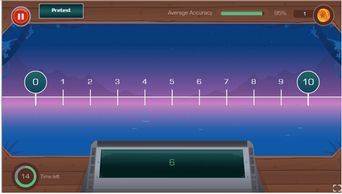
Practice finding where missing numbers would go on a number line. Great tool to develop number sense and works on pre-fraction thinking.
Grades (1-2)
Range Arranger up to 1,000
Range Arranger up to 1,000
Range Arranger up to 1,000
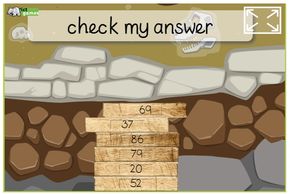
Arrange numbers from least to greatest. Several different levels. Starts with numbers up to 100 then slowly works up to 1,000.
Grades (2-3)
Covered Number Line to 200
Range Arranger up to 1,000
Covered Number Line to 200
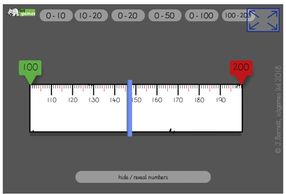
The rubber band will be on a number on the blank number line. Figure out what number it is on.
Grades (1-3)
Ordering up to 10,000
Range Arranger up to 1,000
Covered Number Line to 200
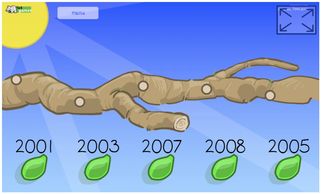
Order the numbers up to 10,000
Grades (2-3)
Compare and Order up to 100,000
Compare and Order up to 100,000
Compare and Order up to 100,000
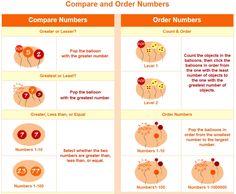
Order the numbers up to 100,000. Many different games to play to work on this skill.
Grades (2-3)
Math Limbo
Sausage Subtraction to 10
Frog Subtraction to 5
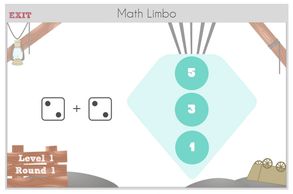
Works on adding different combinations of numbers. Counting on and part/whole combined concepts. '
Grades (K-1)
Frog Subtraction to 5
Sausage Subtraction to 10
Frog Subtraction to 5
Teacher Demo for subtraction up to 5. Designed to be teacher lead. Not a game, more of Q and A task.
Grades (K-1)
Sausage Subtraction to 10
Sausage Subtraction to 10
Sausage Subtraction to 10
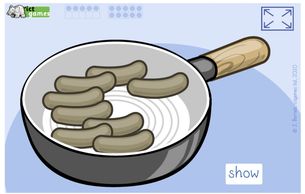
Teacher Demo for subtraction up to 10. Designed to be teacher lead. Not a game, more of Q and A task.
Grades (K-1)
Hidden Counters to 12
Hidden Counters to 12
Sausage Subtraction to 10
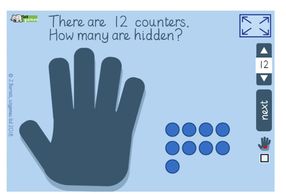
Teacher Demo for subtraction up to 12. Designed to be teacher lead. Not a game, more of Q and A task. Included part/whole thinking.
Grades (K-1)
Doubles up to 20
Hidden Counters to 12
Doubles up to 20
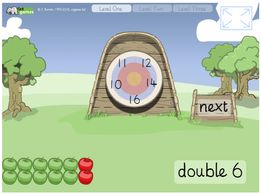
Practice learning doubles up to 20 and beyond.
Grades (1-2)
Doubles/ Make Ten
Hidden Counters to 12
Doubles up to 20
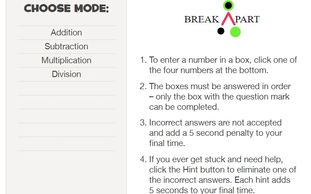
Practice both the doubles and make ten strategy for addition and subtraction.
Grades (1-2)
2 Digit Addition
2 Digit Subtraction
2 Digit Subtraction
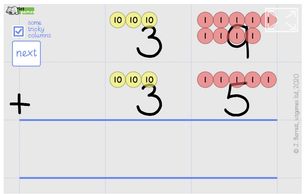
Works on addition of 2 digit numbers with regrouping with place value chips.
2nd Grade
2 Digit Subtraction
2 Digit Subtraction
2 Digit Subtraction
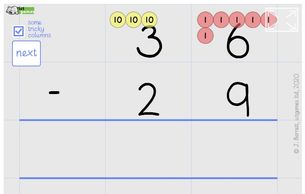
Works on subtraction of 2 digit numbers with regrouping/un-grouping with place value chips.
2nd Grade
Part/ Whole 5, 10, 20, 100
Virtual 5 Frame
Save the Whale 10 Bonds
Save the Whale 10 Bonds
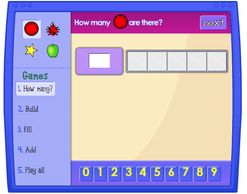
Virtual five frame provides a variety of activities that you can do. Scaffolds from concrete, representational, abstract, to algebraic thinking.
Grades (K-1)
Save the Whale 10 Bonds
Save the Whale 10 Bonds
Save the Whale 10 Bonds
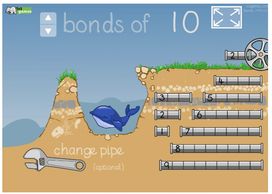
Practices the combinations of ten . Great game to develop fluency up to ten with algebraic thinking. Game can be adjusted to work on other numbers.
Grades (1-2)
10/ 20 Frame Mania
Save the Whale 10 Bonds
10- 20 Number Bonds
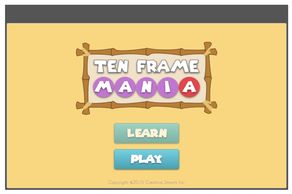
Game develops efficient ways to make numbers. Helps students stop counting by ones. Each level increased difficulty.
Grades (1-2)
10- 20 Number Bonds
10- 20 Number Bonds
10- 20 Number Bonds
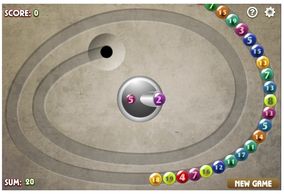
Practice the combinations of numbers 10-20. Similar to Math Lines but the number selection is larger. Can work on connection between 10 and 20.
Grades (1-2)
10/20 Frame
10- 20 Number Bonds
20-100 Abacus
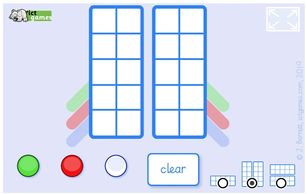
Virtual 10 frame and 20 frame. More a teacher demo tool than independent game.
Grades (K-2)
20-100 Abacus
10- 20 Number Bonds
20-100 Abacus
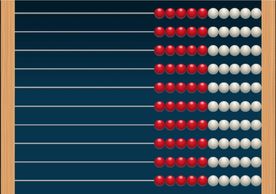
Great tool for working on the combinations of 20-100. Abacus can be adjusted to go from 20 up to 100. Demo tool
Grades (1-2)
Addition 20-100
Unlimited Part/Whole
Unlimited Part/Whole
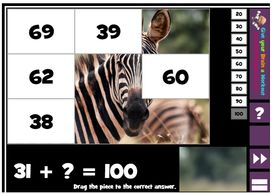
Practice algebraic equations from 20 up to 100 to solve each puzzle. Ranges from 20 to 100. High level of thinking for more advanced students.
Grades (2-3)
Unlimited Part/Whole
Unlimited Part/Whole
Unlimited Part/Whole
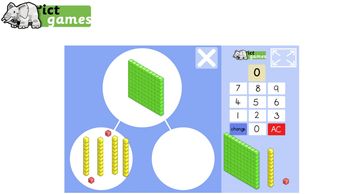
Variety of part whole activities that have an unlimited number range. Designed to be used as a teacher demo with Q and A .
Grades (1-3)
Arrow Cards
Flats, Rods, and Units
Flats, Rods, and Units
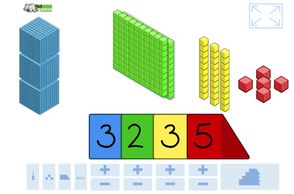
Virtual arrow cards for the development of place value. Build numbers up to 1,000.
Grades (K-2)
Flats, Rods, and Units
Flats, Rods, and Units
Flats, Rods, and Units
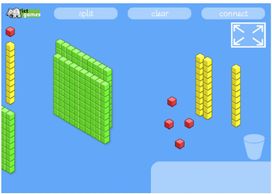
Trade, connect, split, use flats, rods, and units to build, break apart, and see how regrouping/ un-grouping
Grades (1-2)
Digit Place Value
Flats, Rods, and Units
Digit Place Value
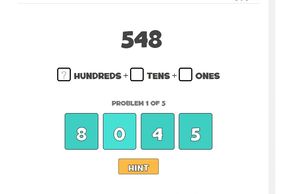
Practice identifying and finding the value for each place value in expanded form.
Grades (1-2)
Multiplication and Division
Array Display
Multiplication Practice
Multiplication Practice

Create arrays and rotate the array to learn about the communicative property. Use for teaching intro to multiplication.
(3rd)
Multiplication Practice
Multiplication Practice
Multiplication Practice
Just multiplication practice while being timed. Nothing special but gets the job done. Not for conceptual teaching.
Grades (3rd)
Dog Division (Partitive)
Partitive Division practice. Please view Multiplicative Thinking Program /Webinar to understand the types of division.
Grades (3rd)

Fractions
Pizzeria Parlor (Fraction ID Game)
Pizzeria Parlor (Fraction ID Game)
Pizzeria Parlor (Fraction ID Game)
Identify fractions by matching the picture to the correct fraction.
(3rd- 4th)
Fraction Fling (Fraction ID)
Pizzeria Parlor (Fraction ID Game)
Pizzeria Parlor (Fraction ID Game)
Fling a sling shot while trying to math the correct fraction to the pictures.
Grades (3rd-4th)
Animal Rescue ( Number Lines)
Pizzeria Parlor (Fraction ID Game)
Animal Rescue ( Number Lines)
Save the animal by finding where the trap is located on the number line.
Grades (3rd- 4th)